
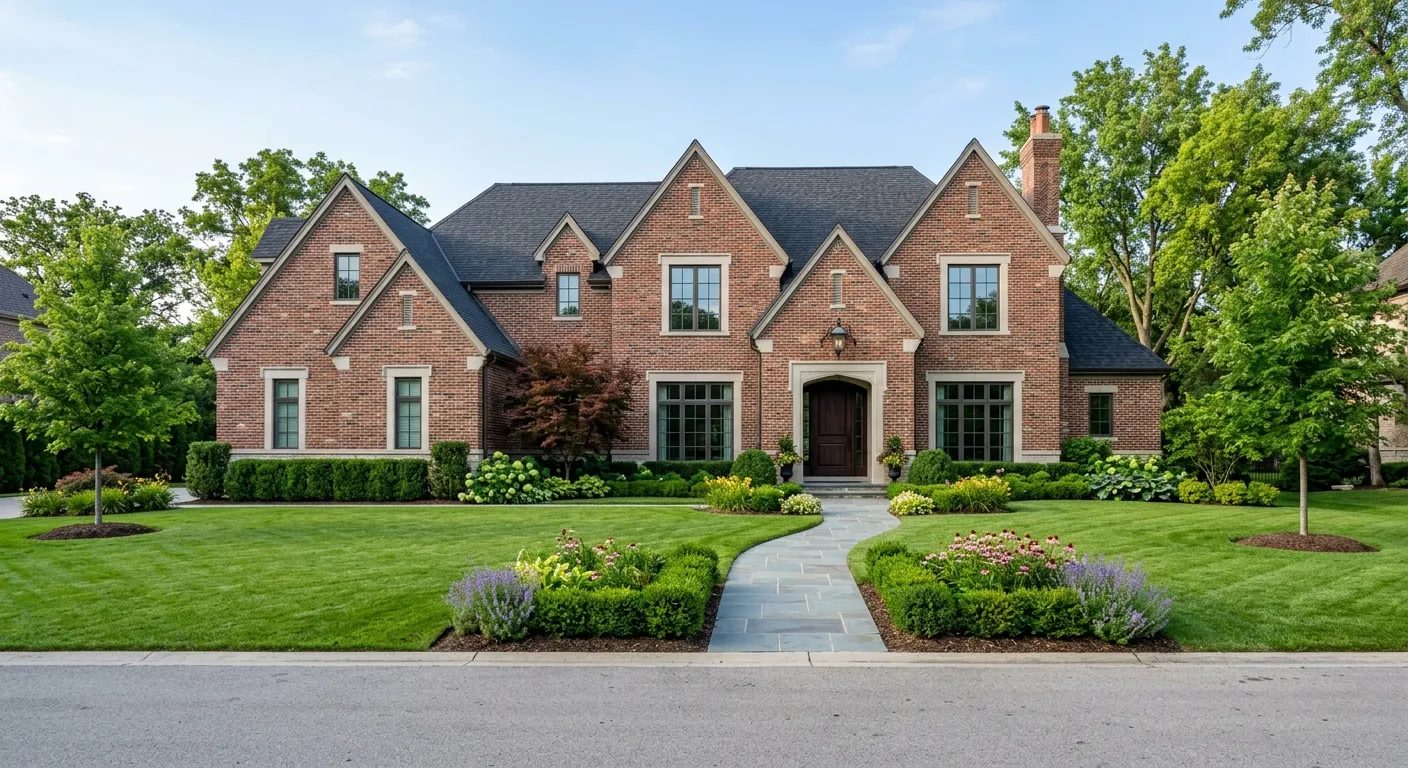
From Chicago To Glen Ellyn: Reading The Market
Compare Chicago and Glen Ellyn homes by property type, parcel, commute and ownership responsibilities with a two-address checklist.
Moving from Chicago to Glen Ellyn is not a simple exchange of one market for another. The useful comparison is between the homes, routines, and property types you would actually consider. A downtown condo, a townhome, and a detached home can have different buyer pools, maintenance responsibilities, and commute patterns even within the same village.
Read Glen Ellyn by property type and location
Glen Ellyn’s 2023 Comprehensive Plan describes a predominantly built-out community with established residential neighborhoods, commercial corridors, and downtown. The plan identifies detached homes as the predominant housing type while also describing attached and multi-family housing around downtown, Roosevelt Road, Swift Road, and the College of DuPage. That makes a property-type comparison more useful than a single village-wide number.
Start by deciding whether your search is for a detached home, townhome, condo, or another form of attached housing. Then compare current listings and recent closed sales within that category, price range, and location. Do not use a village-wide median to decide whether a particular downtown condo or detached home is fairly priced.
Compare the city and suburb on the same weekly routine
Chicago and Glen Ellyn can solve different parts of a buyer’s week. The answer depends on the specific address, work destination, school or care routine, parking needs, and the trips you make after work. Test the actual route rather than assuming a suburban address is easier or that a city address is automatically more convenient.
For a Glen Ellyn address, use the village’s maps and zoning information to understand the immediate setting. Verify the parcel’s dimensions, zoning district, parking, and any association obligations. For a Chicago address, compare those same items rather than relying on a supposed standard city lot or a neighborhood-wide rule.
Why downtown and attached housing deserve their own comparison
Downtown Glen Ellyn is the village’s core neighborhood commercial district under the Comprehensive Plan, while attached and multi-family housing is concentrated in particular locations rather than spread uniformly across the village. A buyer comparing an attached home near downtown with a detached home elsewhere is comparing more than square footage. The comparison may include walkability, station access, parking, common-area costs, exterior maintenance, and the way each home fits a daily routine.
That does not establish a permanent price advantage for either type. It is a reason to make the evidence set more specific: identify the property type, location, condition, date range, and the sales included or excluded before drawing a pricing conclusion.
Use a two-address comparison checklist
| Question | Chicago address | Glen Ellyn address |
|---|---|---|
| Housing form and responsibilities | Building, association, parking, and exterior obligations | House systems, lot, garage, driveway, and exterior obligations |
| Work-week travel | Origin, destination, transfers, parking, and backup plan | Station or driving route, schedule, parking, and backup plan |
| Property facts | Parcel, building documents, assessments, and condition | Parcel, zoning, lot, systems, and condition |
| Comparable evidence | Current, like-for-like listings and closed sales | Current, like-for-like listings and closed sales |
| Open questions | Assign an owner and next step | Assign an owner and next step |
What city buyers should expect
Glen Ellyn may offer a different mix of housing forms and responsibilities, but it is not a substitute for address-level diligence. Visit the block at more than one time of day, verify the route you would use, and compare a home’s condition and carrying costs before treating it as a better value.
FAQs
How competitive is the Glen Ellyn housing market?
Use a current report that identifies its date range, boundary, property type, and metric definition. A historic portal snapshot or a village-wide median does not establish the current conditions for every property.
How does Glen Ellyn compare with Chicago neighborhoods on price?
Compare the specific property types and locations you would actually consider. A detached Glen Ellyn home and a Chicago condo are not interchangeable comparison sets.
Why can Glen Ellyn feel different from Chicago?
The village’s planning documents distinguish detached, attached, and multi-family housing in different locations. Verify the parcel and your intended routine rather than relying on a universal lot-size or space claim.
What should a Chicago buyer focus on?
Focus on the exact submarket, property type, commute, ownership responsibilities, and a current comparable-sale set with its limits visible.
Discuss your next move
Planning a move between Chicago and Glen Ellyn? Contact JProctor Group to discuss the property types, locations and timing you want to compare.
Resources checked September 26, 2026. Confirm current records, access and property details before making a decision.
Work With Us
Get assistance in determining current property value, crafting a competitive offer, writing and negotiating a contract, and much more. Contact us today.
Contact Us