
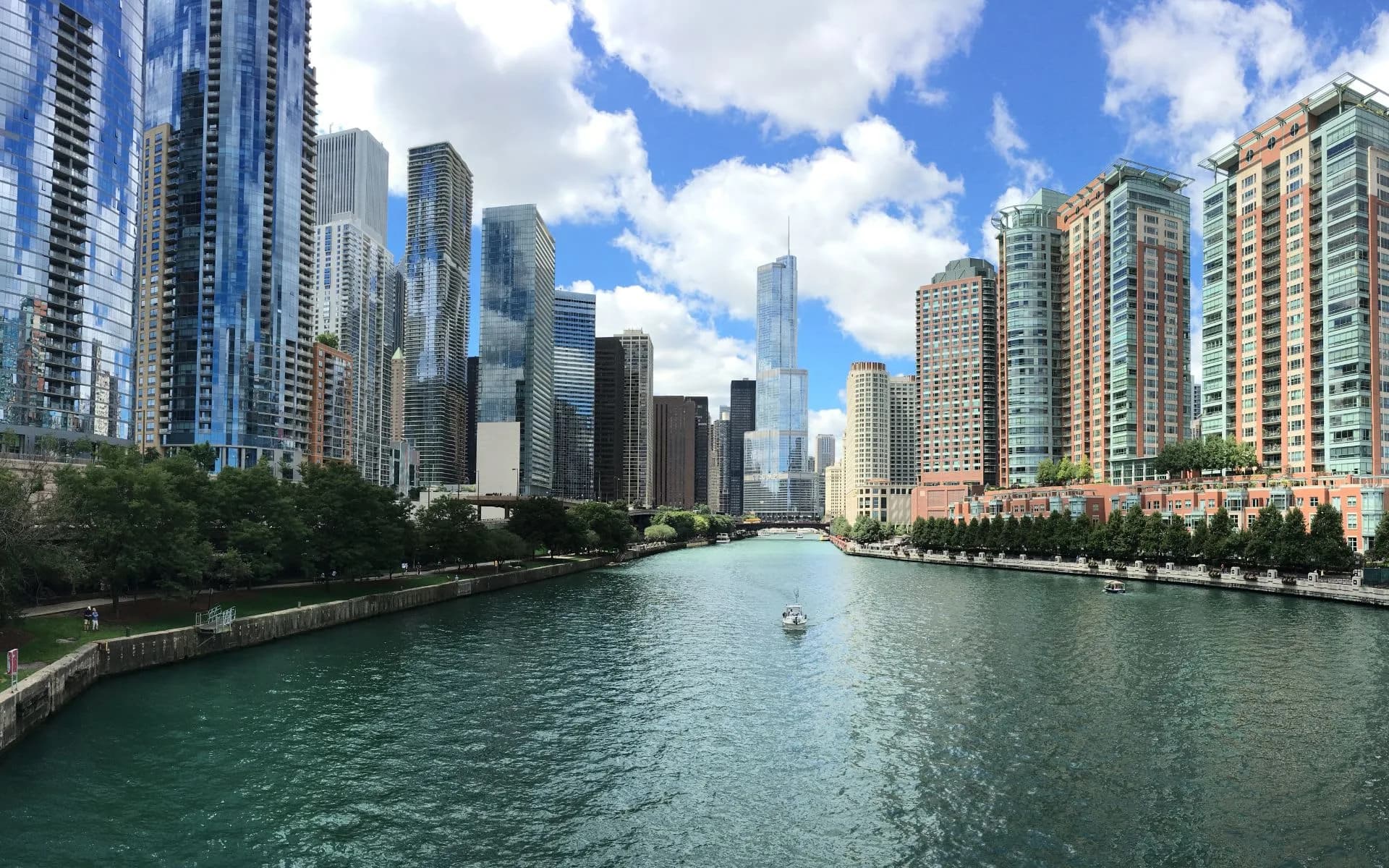
River North Chicago Real Estate Guide
Compare loft conversions and condo buildings by assessments, parking, building systems, location, and the documents behind each listing.
From our Chicago research
Attached luxury needs a building-level comparison
Chicago’s report-defined attached-luxury segment recorded 247 August sales and 492 available properties, for a 50.2% sales-to-inventory ratio. For a River North condo, ask how the exact building’s assessments, reserves, condition, and current alternatives compare before drawing a conclusion from the segment.
ILHM Chicago report-defined attached luxury, August 2026. Not a River North building or neighborhood statistic.
Read the Chicago price-method studyRiver North buyers often weigh loft conversions against high-rise condominiums, where the building can matter as much as the unit. Compare monthly assessments, parking, building systems, amenities, noise or activity patterns, and the documents available for the exact property. Use a visit at the times that matter to you and current building information before deciding whether a listing fits your plan.
A Short History of River North
River North was built as an industrial district, and its street-level character still reflects that. Its position directly across the river from the Loop made it valuable for warehousing, printing, and light manufacturing through the late nineteenth and early twentieth centuries, and the heavy masonry buildings that survive were designed to carry freight loads rather than residents.
The Merchandise Mart, completed in 1930 on the riverfront, was for years among the largest buildings in the world by floor area and remains the neighborhood’s defining structure. As manufacturing left the area in the mid-twentieth century, the low-cost warehouse space attracted art galleries, and by the 1970s and 1980s the district around Superior and Franklin had become the city’s gallery center.
Residential conversion followed the galleries. Warehouse buildings were adapted into loft housing, and from the 1990s onward new high-rise construction filled in surface parking and vacant parcels — which is why the neighborhood today mixes nineteenth-century masonry with towers built in the last three decades.
Continue your River North home search
Use these Chicago buyer guides to organize the next property-specific questions.
Schools Serving River North
River North is served by Chicago Public Schools, which assigns students by attendance boundary. Ogden Elementary School covers PK through 8 for much of the area, and Wells Community Academy High School serves grades 9 through 12. Frances Xavier Warde School is a private PK–8 option located nearby.
Families evaluating the area should confirm current attendance boundaries directly with Chicago Public Schools. Selective-enrollment and magnet programs elsewhere in the city admit by application rather than address.
Daily Life in River North
Daily life in River North is the most downtown-adjacent of any Chicago residential neighborhood, and the trade-offs run in both directions. The restaurant and nightlife concentration along Hubbard, Erie, Ontario, and Clark is among the densest in the city, which means dining and entertainment are immediate but evening street activity is significant on those corridors. The gallery district around Superior and Franklin keeps a quieter, more commercial daytime rhythm. The Chicago Riverwalk runs along the southern edge and connects the neighborhood on foot to the Loop, and the Merchandise Mart’s CTA station places much of River North one stop from downtown. Because the neighborhood is largely built out with mid- and high-rise buildings, most residents live above street level rather than in single-family housing, and grocery, gym, and services are typically within a few blocks.
Weekday and weekend patterns differ here more than in most residential neighborhoods.
Architecture and Housing Stock
River North’s housing divides cleanly into two categories. The first is authentic loft conversion: nineteenth- and early twentieth-century warehouse buildings adapted to residential use, typically with timber or concrete structure, large windows, and high ceilings. The second is high-rise construction, mostly from the 1990s onward, offering conventional layouts and building amenities.
That split is the most useful frame for comparing listings here. Loft units generally deliver volume, original structure, and larger floor plates, while newer towers deliver in-unit efficiency, parking, and amenity packages. Single-family housing is rare in the neighborhood. Assessments, parking arrangements, and the age of building systems tend to differ substantially between the two categories and are worth reviewing closely.
Getting Around and Commuting
River North has among the shortest commutes to the Loop of any Chicago neighborhood. The Merchandise Mart station carries CTA Brown and Purple Line service one stop across the river into downtown, and Red Line stations at Grand and Chicago serve the eastern side of the neighborhood.
On foot, the Chicago Riverwalk and the State Street and Michigan Avenue bridges connect directly to the Loop in roughly ten to fifteen minutes. For drivers, the Kennedy Expressway (I-90/94) is accessible at Ohio Street, which also provides the primary route toward O’Hare International Airport.
Nearby Communities
River North sits within the Chicago communities the JProctor Group serves. Explore neighboring areas:
Frequently Asked Questions About River North
Where is River North in Chicago?
River North is on Chicago’s Near North Side, directly across the Chicago River from the Loop. It is bounded by the river on the south and west and by the Magnificent Mile on the east. The Merchandise Mart CTA station places the neighborhood one stop from downtown.
What is River North known for?
River North is known for its restaurant and nightlife density, its art gallery district around Superior and Franklin, and its converted warehouse lofts. The Merchandise Mart, completed in 1930, anchors the riverfront edge and remains the neighborhood’s defining building.
What kinds of homes are in River North?
Housing is almost entirely attached, split between converted warehouse lofts and high-rise condominium towers built from the 1990s onward. Lofts typically offer high ceilings, large windows, and original timber or concrete structure, while newer towers offer conventional layouts, parking, and amenity packages. Single-family homes are rare.
What schools serve River North?
Chicago Public Schools assigns students by attendance boundary. Ogden Elementary School serves PK through 8 for much of the area, and Wells Community Academy High School serves grades 9 through 12. Frances Xavier Warde School is a nearby private PK–8 option. Confirm the assigned school for a specific address with CPS.
Is River North walkable to downtown Chicago?
Yes. River North sits directly across the river from the Loop, and the walk takes roughly ten to fifteen minutes over the State Street or Michigan Avenue bridges or along the Chicago Riverwalk. CTA Brown and Purple Line service from Merchandise Mart reaches downtown in one stop.
What is the difference between a River North loft and a condo?
Lofts are residential conversions of older warehouse buildings and typically feature exposed structure, high ceilings, and larger open floor plates. Condominiums in newer high-rise towers generally offer more conventional layouts, in-building parking, and amenity packages. Building assessments and the age of mechanical systems commonly differ between the two.

Jeff Proctor
Team Lead | Broker · License #475119674
@properties Christie's International Real Estate
Questions about buying or selling in River North? Reach the JProctor Group at (773) 517-6026 or jeffproctor@atproperties.com. See our home selling strategy or request a home valuation.
Explore River North With Us
Get assistance in determining current property value, crafting a competitive offer, writing and negotiating a contract, and much more. Contact us today.
Contact Us